.png?w=2048&h=2048)

Jersey Care · Keep It Like New
How to Wash & Care for Your Soccer Jersey (Make It Last)
Updated September 28, 2026 · 8 min read

1. Why soccer jerseys need special care
A modern soccer shirt is not an ordinary cotton tee. A replica is cut from lightweight polyester (often recycled), with engineered mesh panels and a heat-pressed or embroidered crest, sponsor and back number. An authentic player-issue shirt is even thinner — which makes it even more sensitive to heat. That is why the same wash that keeps a cotton tee fine can quietly ruin a jersey.
Three things shorten a shirt’s life faster than normal wear:
- Heat. A hot wash, a tumble dryer or a direct iron softens the heat-pressed vinyl of a name and number until it curls, cracks or peels. Heat is the number-one killer of printed kits.
- Friction. Velcro, zips, denim and rough terrace seats snag threads, pill the mesh and scuff the print. The dryer is the worst offender because the shirt rubs against itself for an hour.
- Fabric softener. It coats the wicking fibres so the shirt stops breathing, and it leaves a film that lifts the edges of printed graphics. It also dulls mesh.
Handle those three and a replica shirt will happily outlast three seasons of regular wear.
2. The 5-minute wash routine
You do not need a special machine — just a short, cold, gentle cycle. Follow these steps in order:
- Check the care label. Most soccer shirts ask for 30°C max and no tumble drying. The label wins over anything else.
- Turn the shirt inside out. This puts the delicate print and crest on the inside, away from the drum and from other garments.
- Empty the pockets and remove pins / tags. Nothing sharp or metallic should be in the wash with a poly shirt.
- Wash with like items only. Keep jerseys away from jeans, towels and anything with velcro or exposed zips, which snag the mesh.
- Use cold water. 30°C / 86°F or colder, on a gentle or delicate cycle. If your machine has no cold option, hand-wash in a basin instead.
- Add a small amount of mild liquid detergent. Non-bio, no bleach, no fabric softener, no detergent pods that may not fully dissolve on a short cycle.
- Skip the long spin. A short 400–600 rpm spin is fine; a high-speed spin twists the fabric and stresses the print.
- Take it out the moment the cycle ends. Leaving a wet jersey in the drum for hours causes smells and lets dye bleed onto the print.
3. Drying and de-wrinkling: the do’s and don’ts
Drying matters as much as washing. A jersey that air-dries keeps its shape, its print and its colour; a jersey that goes in a hot dryer usually comes out with a cracked number.
- Do hang it on a wide, padded hanger or lay it flat on a clean towel — both stop the shoulders from stretching.
- Do dry it in the shade. Strong direct sun over months will fade reds and blues, especially on cheap sublimated prints.
- Do reshape the shirt while it is still slightly damp so it dries smooth.
- Don’t tumble-dry. The heat plus the tumbling is exactly what cracks heat-pressed names and numbers.
- Don’t wring or twist the shirt to squeeze water out — press it between two towels instead.
- Don’t iron the print. If you must de-crease, iron inside out on the lowest synthetic setting with a cloth between the iron and the fabric, and never let the iron touch the vinyl number directly.
4. Care mistakes vs the right move
Most jersey damage comes from a handful of habits. Here is what each one actually does, and the fix:
| The mistake | What it does to your shirt | Do this instead |
|---|---|---|
| Hot wash (60°C) | Softens and cracks heat-pressed numbers; can shrink polyester | Cold wash at 30°C or below |
| Fabric softener | Clogs the wicking fibres and leaves a film under the print | Skip it entirely; air-dry instead |
| Tumble drying | Direct heat peels the print and stresses the fabric | Hang or lay flat to air-dry |
| Ironing the number | Melts and glosses the vinyl until it lifts | Iron inside out, low heat, cloth between iron and print |
| Washing with velcro or denim | Snags threads, pulls loops and pills the mesh | Wash alone or with other poly shirts |
| Chlorine bleach | Eats colour and weakens the fibres | Oxygen (colour-safe) bleach for whites, cold soak |
| Leaving it wet in the drum | Mildew smell and dye bleeding onto the print | Remove immediately and air-dry |
| Dry cleaning | Solvents can lift heat-pressed graphics | Hand-wash cold at home instead |
5. Names and numbers: making the print last
The most fragile part of any shirt is the name and number on the back (and a printed sponsor across the chest). Not all prints behave the same way:
- Heat-pressed vinyl — the flex film on most replicas, bonded on with heat. Durable in normal wear, but heat and the dryer are its enemies.
- Sublimated print — the design is dyed into the fabric itself, so it cannot peel. It can still fade with strong UV, so keep it out of direct sun.
- Stitched or embroidered — layered fabric and thread on authentic and collector shirts. It survives almost anything; just never pull a loose thread, trim it with nail scissors.
If a corner of a number starts to lift, cover it with baking paper and press with a warm, not hot iron for about five seconds. Never put the iron directly on the vinyl. Not sure whether your shirt is a replica or a player-issue? Our authentic vs replica jersey guide explains the difference.
6. How to remove common jersey stains
For any stain, the golden rule is the same: act cold and blot, never rub hot. Hot water and scrubbing set stains and grind them into the mesh.
| Stain | First move |
|---|---|
| Grass | Cold water plus a dab of dish soap; blot from the back, never rub the print |
| Mud | Let it dry completely, brush off the cake, then run a cold wash |
| Yellowing whites / sweat | Cold soak with oxygen bleach (never chlorine bleach), then wash |
| Ballpoint ink | Dab with isopropyl alcohol on a cloth — do not scrub |
| Grease / cooking oil | A drop of dish soap or shampoo worked in, then a cold wash |
| Blood | Rinse in COLD water first (hot water sets it), then wash normally |
7. Six jerseys worth protecting
Every shirt below is a real, in-stock replica and a perfect candidate for the routine above — current-season colourways from six different leagues. Pick your club, then treat it right and it will look new for years. Prices are shown live from the product page.
 Care-worthy kitBayern Munich HomeBayern Munich · Home 2025/26 · Replica · $39.90View shirt
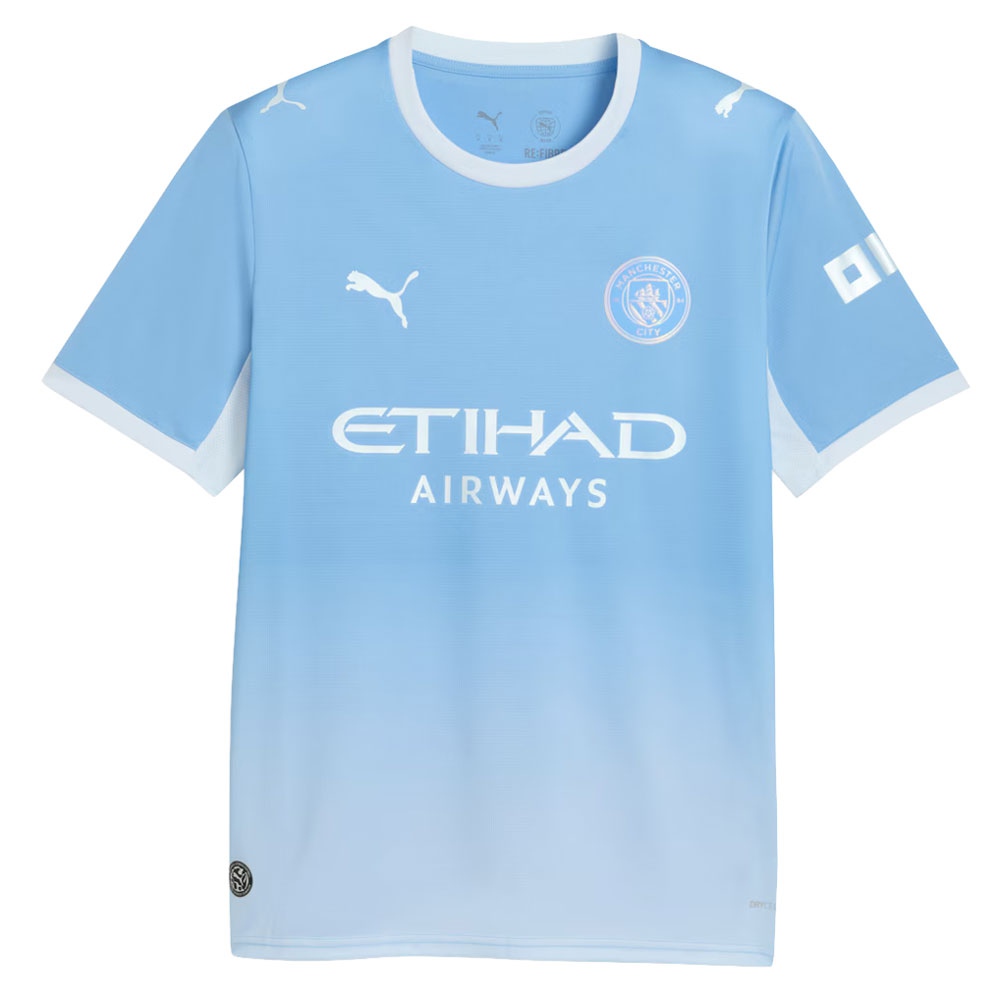 Care-worthy kitManchester City HomeManchester City · Home 2026/27 · Replica · $38.90View shirt
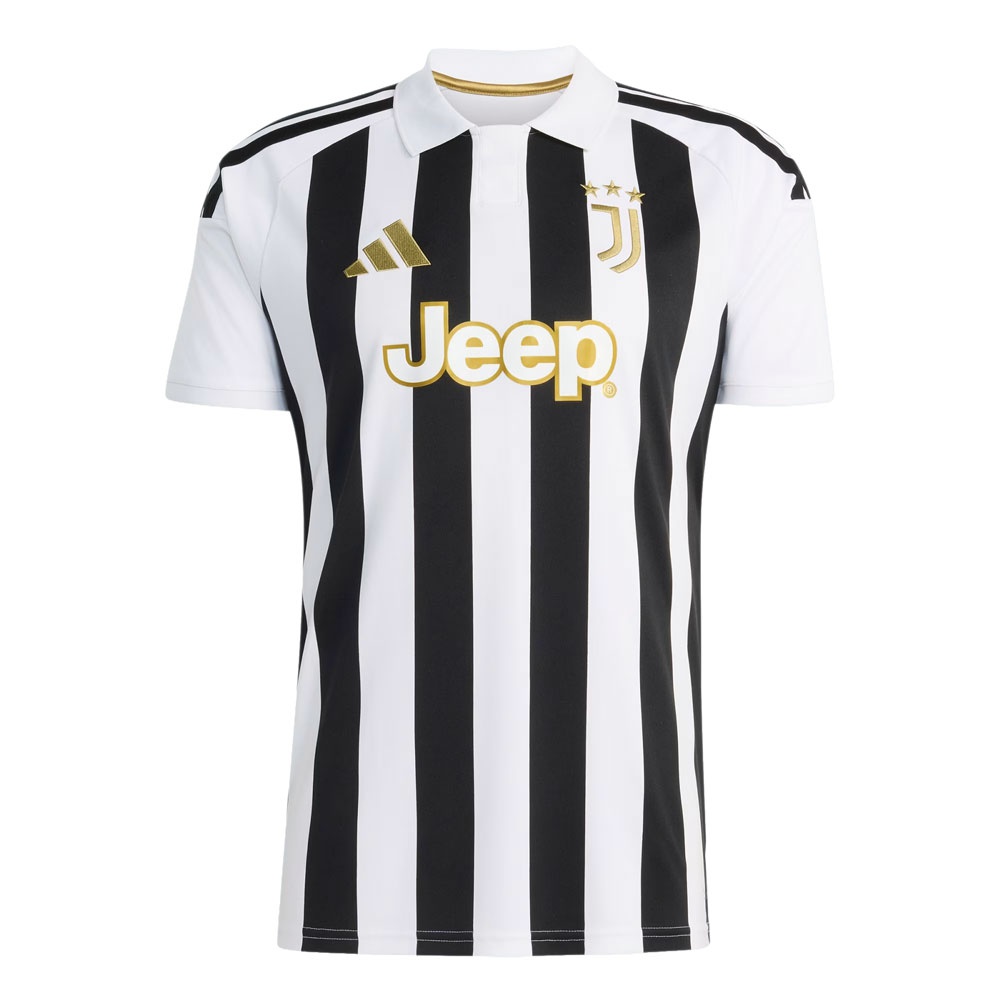 Care-worthy kitJuventus HomeJuventus · Home 2026/27 · Replica · $38.90View shirt
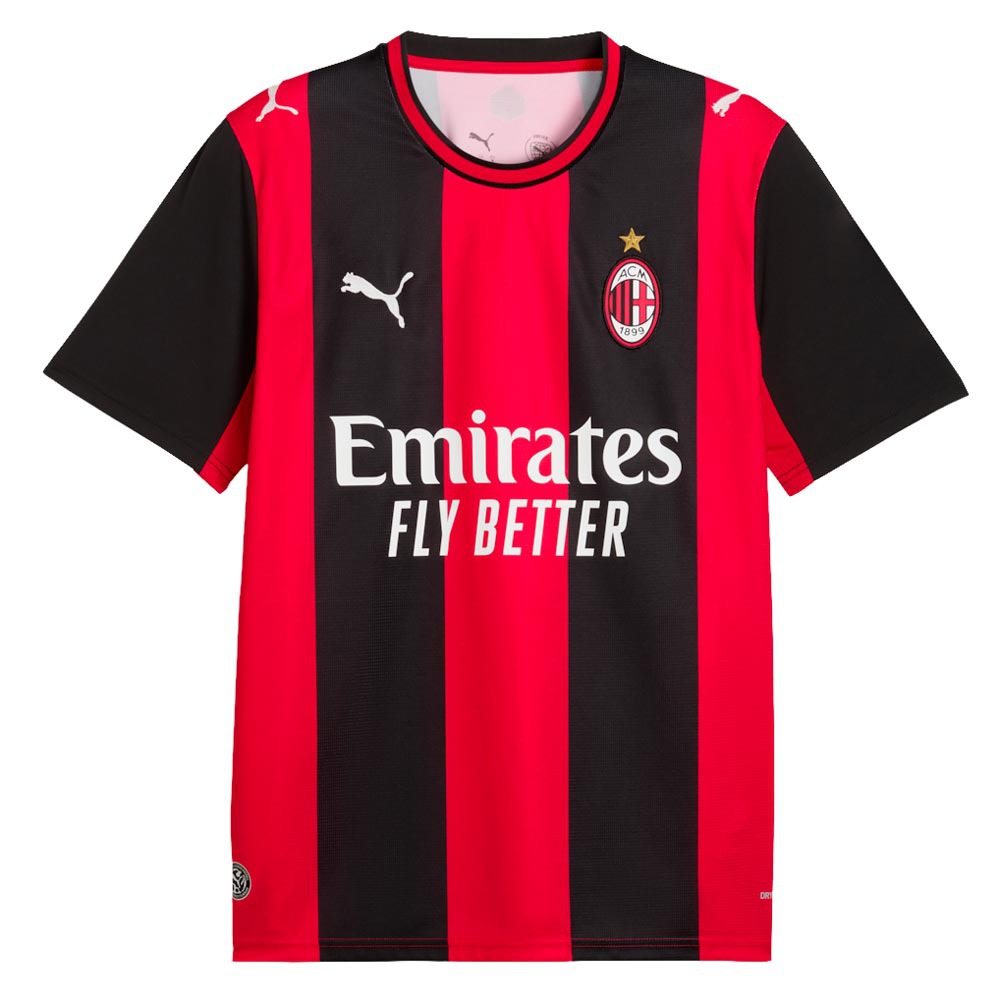 Care-worthy kitAC Milan HomeAC Milan · Home 2026/27 · Replica · $38.90View shirt
 Care-worthy kitCeltic HomeCeltic · Home 2026/27 · Replica · $39.90View shirt
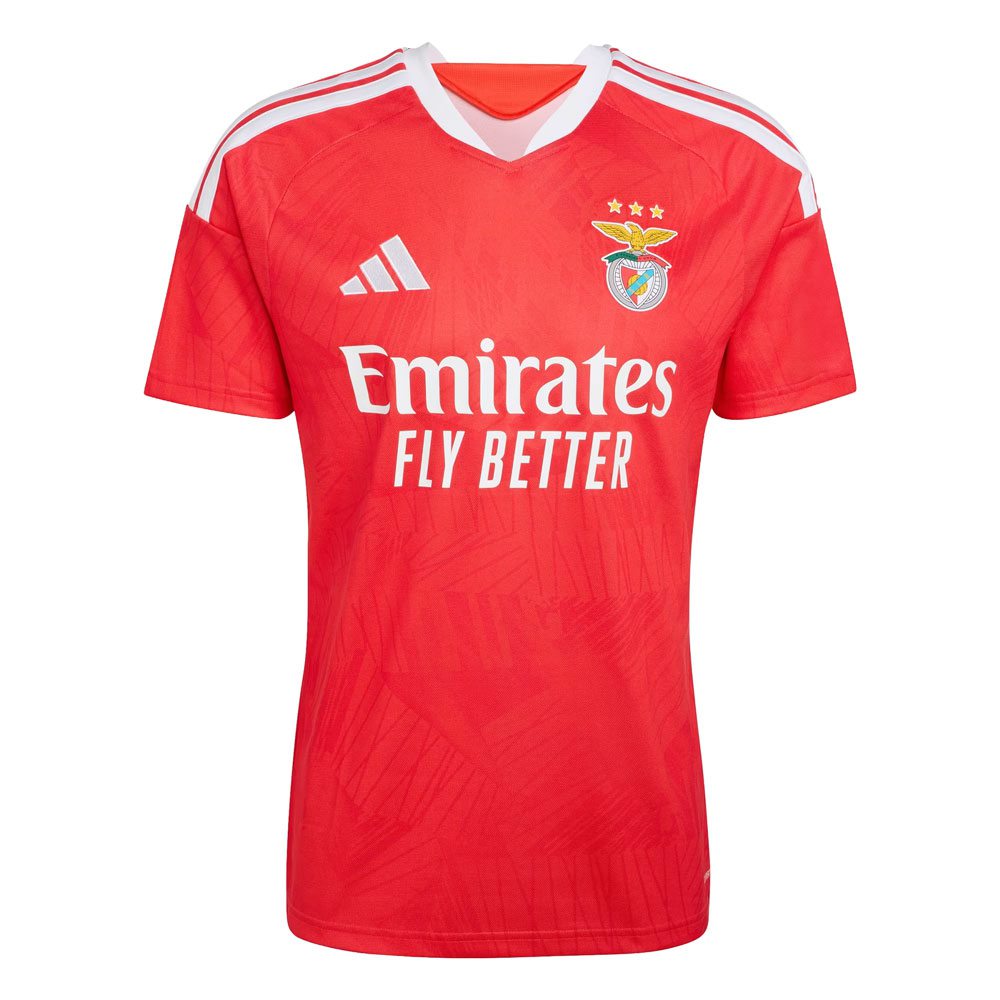 Care-worthy kitBenfica HomeBenfica · Home 2026/27 · Replica · $38.90View shirt
8. How to store and rotate your shirts
How you store a shirt decides whether it still looks crisp in two years. Fold jerseys loosely in a drawer, or hang them on a wide, padded hanger — a thin wire hanger leaves shoulder bumps in the mesh. Keep them out of direct sun and away from damp, because UV fades colour and humidity invites mildew.
For a framed or signed shirt, use an acid-free mount and keep it off a radiator or a sunny wall. And rotate what you wear: no single shirt should take all the wear, and giving each one a rest between washes keeps the print and the fabric fresh for longer.
Frequently asked questions
Can you machine wash a soccer jersey?
Yes. Wash it inside out on a cold, gentle cycle at 30°C or below, with a mild liquid detergent and no fabric softener. If your machine has no cold setting, hand-wash in a basin of cold water instead.
Will washing ruin the name and number?
Not if you keep it cold and skip the dryer. Heat is what cracks and peels heat-pressed names and numbers, so wash cold, never tumble-dry, and never iron directly on the print. Follow that and the print will outlast the shirt.
How should I dry a soccer jersey?
Air-dry it. Hang it on a wide padded hanger or lay it flat on a towel, out of direct sun. Never use a tumble dryer — the heat plus the tumbling is the fastest way to ruin a printed shirt.
How do you get grass stains out of a jersey?
Blot the stain with cold water and a dab of dish soap, working from the back of the fabric, then wash cold as normal. Never rub hard or use hot water — both push the green deeper into the mesh.
How do I stop white jerseys going yellow?
Cold-soak them with an oxygen (colour-safe) bleach instead of chlorine bleach, wash cold, and never iron or tumble-dry them. Storing white shirts away from damp and direct sun also slows the yellowing.
- Best soccer jerseys of the season — Our six picks from the 2026/27 season.
- Nations League 2026/27 jersey guide — Which League A shirt to buy, nation by nation.
- Premier League kits buyer's guide — How to pick your Premier League club shirt.